Skip to content

The Psychpod

Inspire Educate Intrigue

Menu
  • The Psychpod
    • Self-Help
      • Psychotherapy Approaches
      • Psychological Health
        • Mental Health, Neuropsychiatric Disorders, and Brain Disease
        • Self Care
        • Coping Skills
        • The Psychpod Self Love Lounge
        • Words of Hope: Healing Through Writing
        • Women’s Mental Health
        • Men’s Mental Health
        • Podcast
      • TBI and ABI
      • Trauma and Healing
      • Neurodivergence
      • Navigating Grief
      • Relationships and Dating
        • Dating
        • Marriage
        • Parenting
        • Family
        • Teens
        • Children
      • Holistic Lifestyle
      • Dream Analysis
      • Journal Prompts, Meditations, and Reflections
      • Quotes
    • The Psychpod Magazine
      • Mind & Meaning
      • Perception & Experience
      • Mind & Justice
      • Life Through the Mind
      • Brain & Science
      • Perspectives
      • Culture, Style & Identity
    • The Psychpod Fashion
    • The Psychpod Podcast
    • Psychology Topics
      • Neuropsychology
      • Forensic Psychology
      • Global Mental Health
        • Cultural Healing
    • Society & Culture
      • TV and Film
      • Music
      • Philosophy, Religion, and Spirituality
  • NeuroVitality Institute
  • Cindy and The Sticky Little Monsters Series
  • The Psychpod Lounge
  • Blog
    • NeuroDiaries
    • Midnight Radio
      • Playlists
    • Midnight Thoughts
    • Creative Writing
      • Poetry
      • Short Stories
  • Contact Us
  • About Us
    • Event Calendar
      • Newsletter
  • Shop
  • Return Policy
Menu

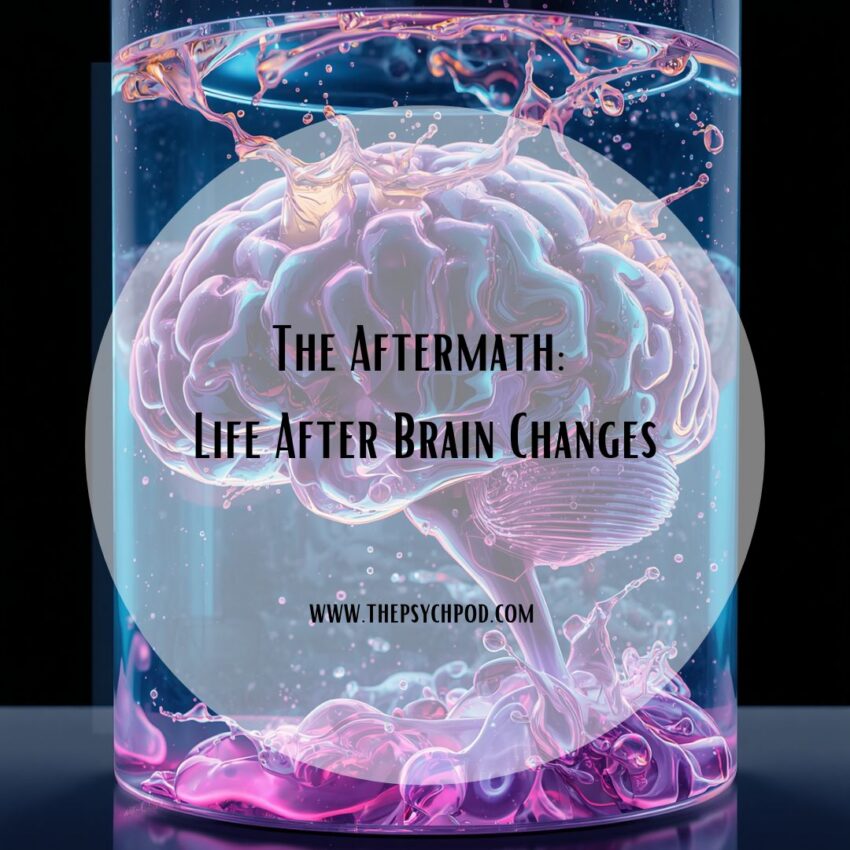
The Aftermath: Life After Brain Changes

Posted on May 16, 2026May 16, 2026 by thepsychpod

After the diagnosis, the MRIs, the treatment, the appointments, the waiting rooms, and the doctors visits, there is a silence people rarely talk about after everything settles.

The aftermath.

The moment you realize you have a new life now.

Not always because you wanted one, or necessarily one you asked for, but because nearly every aspect of your life can feel different afterward.

Brain tumors and neurological conditions can affect far more than physical health. They may impact cognition, emotional regulation, hormones, fertility, fatigue, personality, identity, and the way someone experiences themselves and the world around them.

Some changes are visible.

Many are not.

I have seen this throughout my career, and I personally live with a pituitary tumor. A lot of people survive neurological illness while quietly carrying symptoms nobody else can fully see. Cognitive exhaustion. Emotional overwhelm. Hormonal disruption. Fertility concerns. Grief. Fear. Identity changes. The feeling that your brain and body remember something your life is still trying to catch up to.

That is the part we do not talk about enough.

This series explores the psychological, neurological, emotional, hormonal, and human aftermath of life after brain changes. Not only the diagnosis itself, but everything people are left carrying once the crisis is over and the world expects them to move forward.

Because the body remembers.

The mind remembers.

And sometimes survival is only the beginning of learning how to rebuild afterward.

Dr. Velmi, PsyD

Leave a Reply Cancel reply

Your email address will not be published. Required fields are marked *

Loading

Follow The Psychpod

  • The Aftermath: Life After Brain Changes
  • Insomnia: When the Brain Won’t Shut Down
  • The Psychology of Emotional Color
  • Why I See Music in Color
  • Why I Can’t Live Without Music

© 2026 The Psychpod | Powered by Superbs Personal Blog theme